
ABA Therapy

Understanding learning in the context of everyday life.

What this support involves

Applied Behavior Analysis, or ABA, is an approach to understanding how learning and behavior relate to the environment. At Meaningful Pathways, the starting point is the individual: how they communicate, what matters to them, and where support may make daily activities easier to take part in.

Services, suitability, delivery settings, and appointment arrangements are discussed directly before support is agreed. We welcome questions about the approach and the information needed to take the next step.

Discuss this service
A parent and child exploring wooden shapes together.

How we approach support

Understanding the starting point

Conversations with the individual and caregivers help identify priorities, strengths, and the situations that feel difficult. Assessment considers the context around a behavior and the skills or environmental changes that may be helpful. A diagnosis alone does not determine a person’s goals.
Choosing meaningful goals

A goal might involve communicating a need, taking part in a routine, or learning a practical skill. Goals should be understandable to the people involved and connected to the individual’s life. Families can ask why a goal has been proposed and how it will be reviewed.

Teaching and reviewing support

The approach to teaching should reflect the person’s current skills, preferences, and response to support. Progress is reviewed so that decisions can be discussed and adjusted. Participation, comfort, and opportunities to communicate remain part of that conversation.

Examples to discuss

These examples describe possible areas of focus. They are not a recommendation or a treatment plan for any particular child. Individual goals follow discussion and assessment.

  • A reliable way to ask for help during an activity
  • Participation in a familiar daily routine
  • Practising a skill in the setting where it is needed
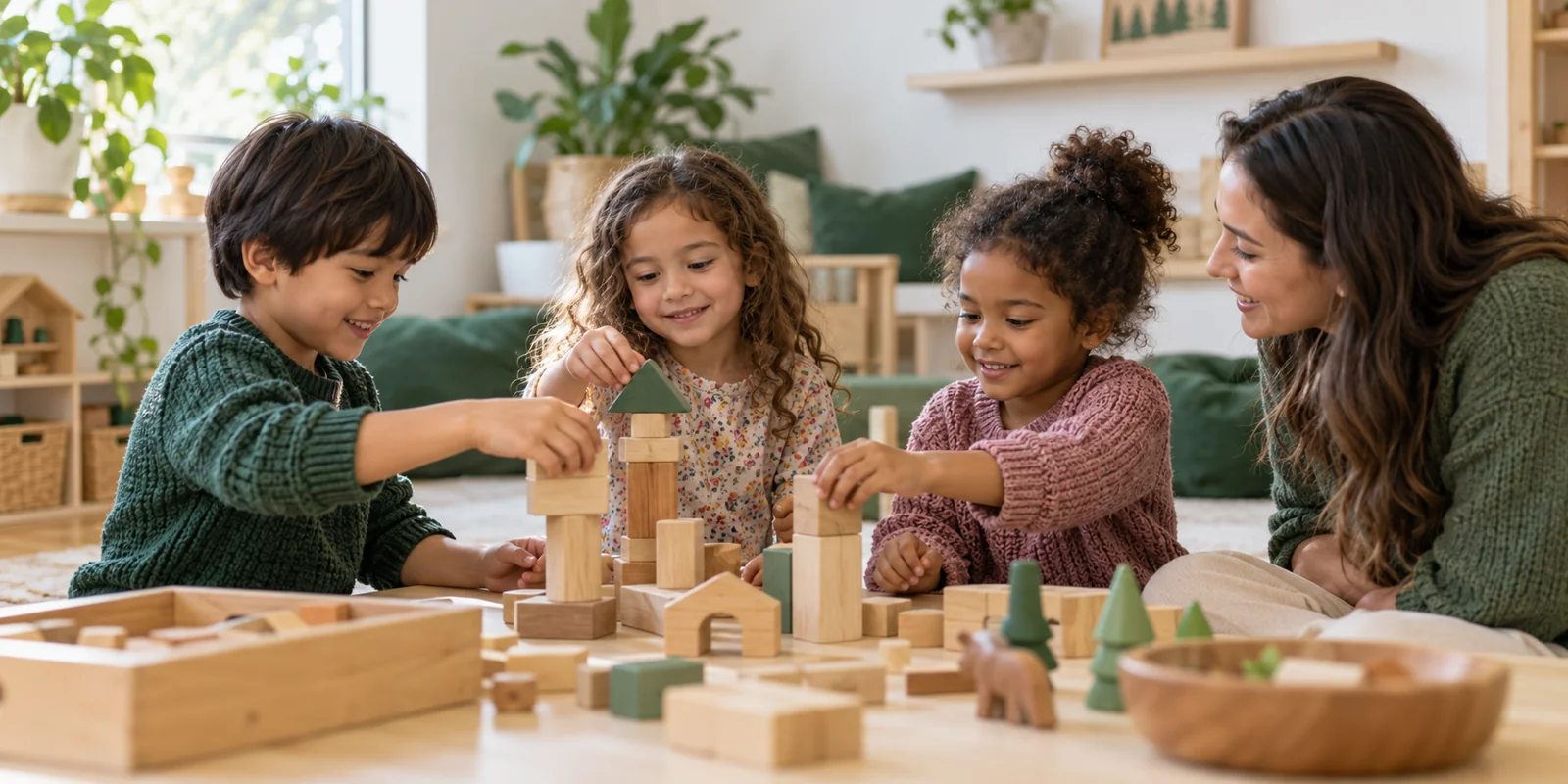
Children and a caregiver sharing a wooden-block activity in a learning room.

Our areas of focus

Communication and language

Communication can include spoken words, gestures, pictures, and other suitable tools for expressing needs and preferences. The important question is whether the person has an effective way to communicate in situations that matter to them. A person may need support asking for help, making a choice, or indicating that they want an activity to stop.

Goals in this area should build on the communication the person already uses. Alternative or additional methods may be considered where appropriate, including picture-based tools or speech-generating devices. The method and teaching approach need to be selected around the individual rather than assuming speech is the only useful outcome.

Social interaction

Social interaction involves participating with other people through shared activities, conversation, turn-taking, and play or peer interaction where relevant. It can also involve understanding how to begin or leave an activity and communicate preferences about participation.

Support should respect individual comfort and interests. The purpose is to help someone participate in relationships and activities that are relevant to them. Goals should not assume that everyone needs to interact in the same way or that appearing typical is more important than being able to communicate and participate.

Adaptive daily living skills

Adaptive daily living skills are the practical skills used in everyday routines. These can include dressing, hygiene, toileting, eating, and preparing for an activity. A routine that seems like one task can contain many smaller steps, each with different demands.

Teaching can focus on the parts of the routine a person is ready to learn, while considering the support and assistance they need. The aim is to make participation more manageable and discuss independence in relation to the individual’s abilities, preferences, and circumstances.

Behavior support and replacement skills

When a behavior interferes with learning, participation, or safety, it is important to understand the circumstances around it. A function-based approach looks at what happens before and after the behavior and the purpose it may serve. This helps guide decisions about support instead of relying only on how the behavior looks.

Replacement skills are alternatives that help the person address a need more effectively. Communication may be an important part of that work. The appropriate goals and responses depend on assessment, with attention to safety, autonomy, and how the individual experiences the support.

Attending skills and participation in learning

Attending skills relate to engagement with an activity and participation in a learning routine. This may include understanding what is expected, starting a task, completing manageable steps, and using appropriate ways to ask for help or a pause.

Structured routines, clear teaching steps, and positive reinforcement may support this work. Expectations should take account of the person, the environment, and the task itself. Participation is more useful than treating stillness or compliance as the only indication that learning is happening.

Ask about services or request an appointment

Contact Meaningful Pathways to discuss the support you are looking for, check service availability, and ask what information is needed before an appointment can be arranged.

Request an appointment
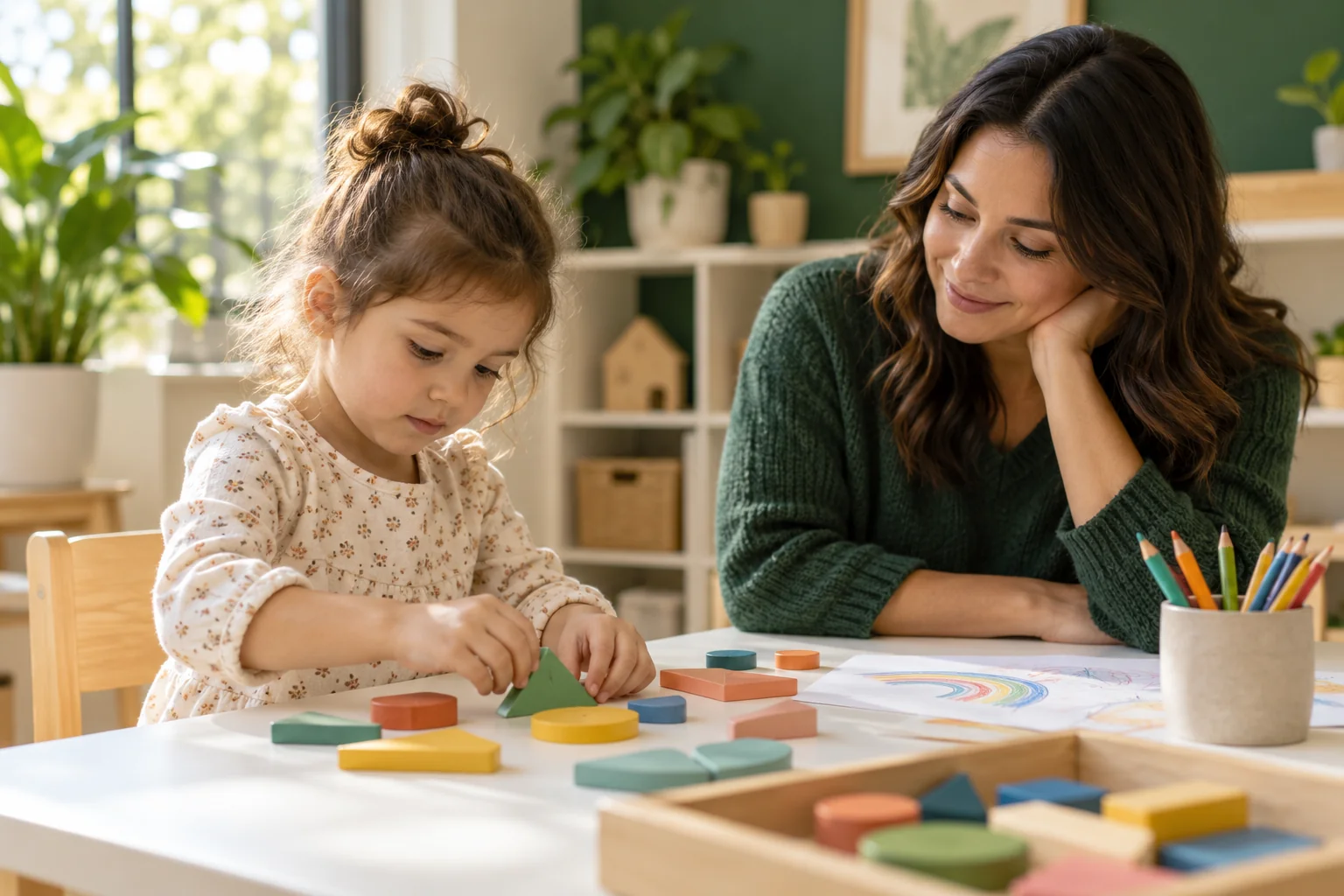
A child working on a creative activity with a caregiver nearby.